AI for grain farmers, in plain language.
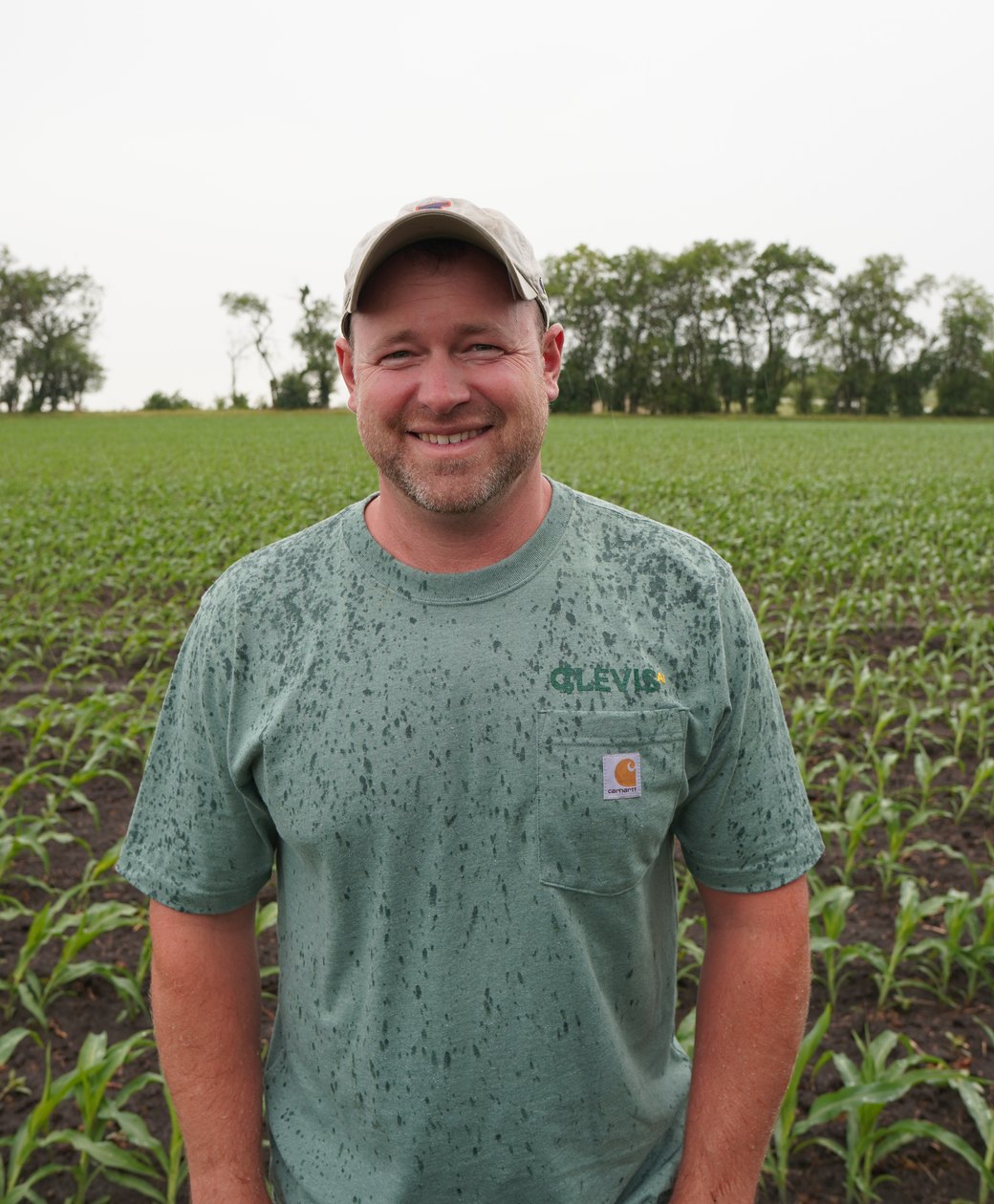
Cornerstone guides written by Preston Schrader, founder of Clevis AI and independent crop consultant. Honest field reports, decision frameworks, and side-by-side comparisons across agronomy, grain marketing, and farm accounting.
Founder
Marketing
The 45Z Clean Fuel Production Credit, Explained for Corn and Soybean Farmers
The 45Z credit goes to fuel producers, not farmers — but it's quietly turning your corn and soybeans into a low-carbon feedstock that plants have a reason to pay up for. Here's what 45Z actually is, where the farmer premium stands in 2026, and what to do now.
6 min read
Can AI Predict Corn Basis? An Honest Answer
Short answer: no — not precisely, and be careful with anyone who says otherwise. Here's what basis actually is, why it's so hard to forecast, and what an AI farm advisor can genuinely do to sharpen your basis decisions.
4 min read
Farm Marketing AI: How an AI Advisor Changes the Grain-Marketing Workflow
Grain marketing is where a year's profit is made or lost — and the task farmers most often run out of time for. Here's how an AI farm advisor rebuilds the marketing workflow around your operation, step by step.
5 min read
Agronomy
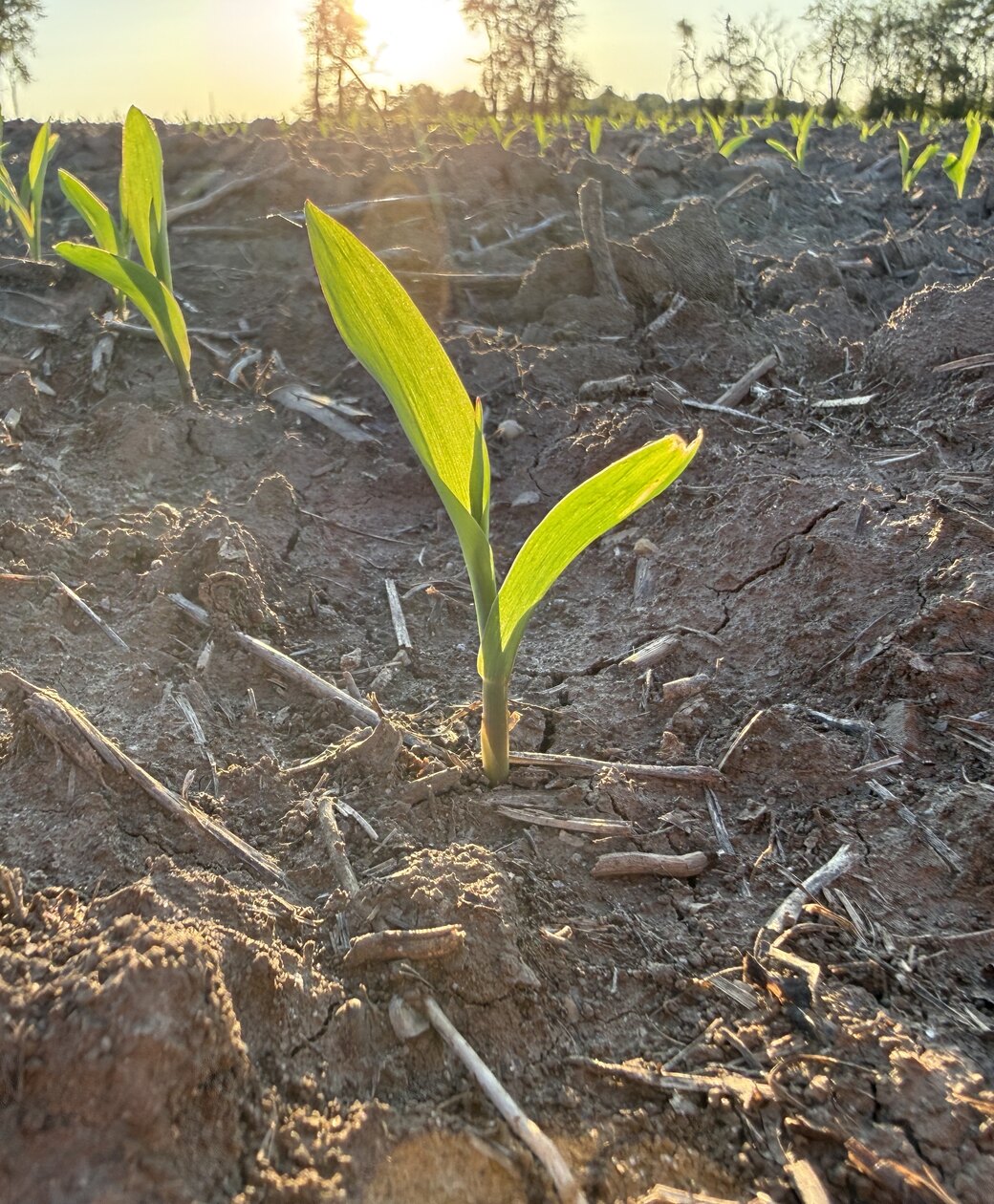
How to Lower Your Corn's Carbon Intensity (and Why It's Worth Money Under 45Z)
Feedstock carbon intensity comes down to a handful of levers you already control — nitrogen, tillage, cover crops, fuel, and yield. Here's how each one moves the number, roughly how much, and how to tell which of your fields are already low-CI enough to earn a 45Z premium.
5 min read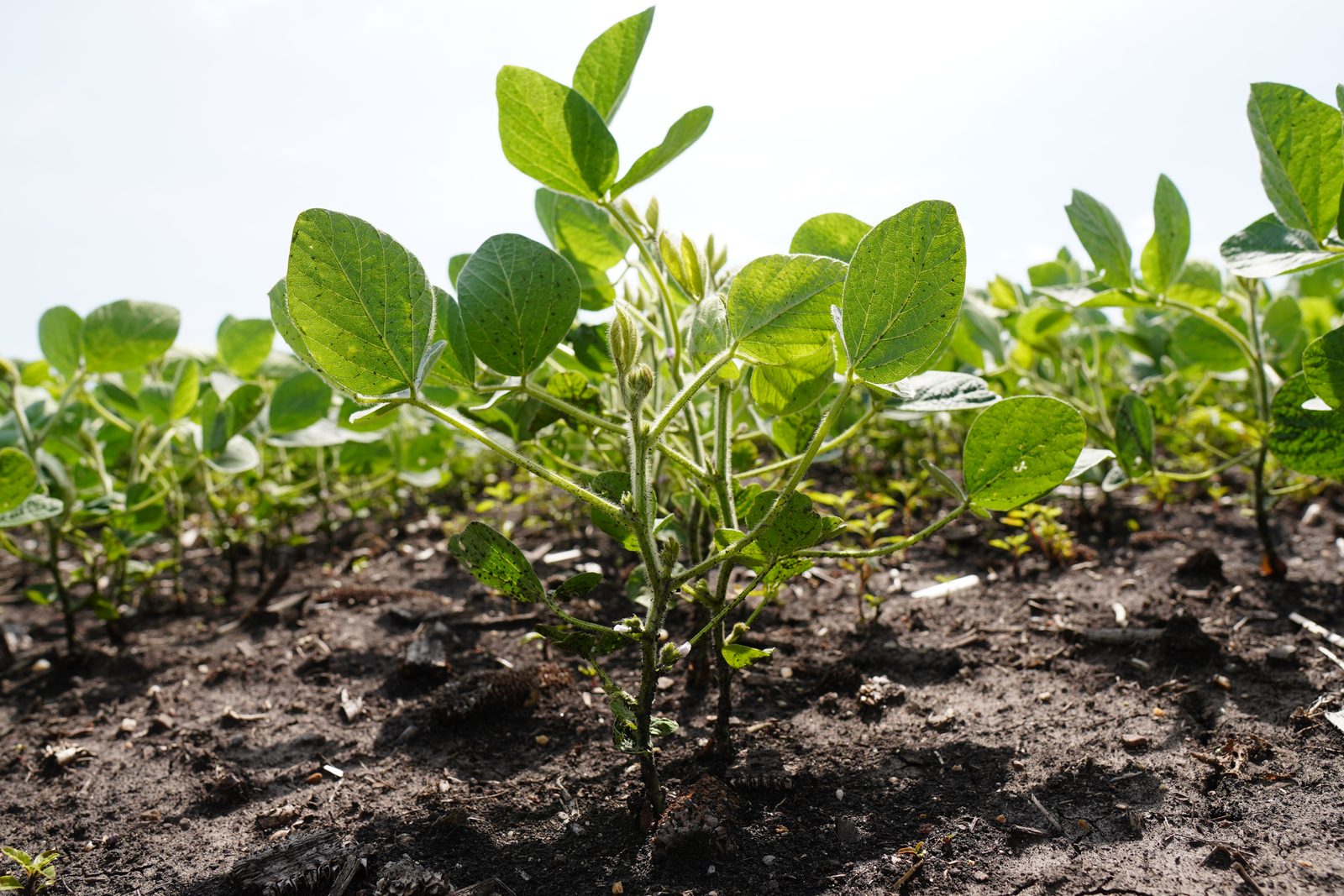
In-Season Soybean Decisions: The Calls That Quietly Decide Your Bean Yield
Soybeans forgive more than corn — which is exactly why their in-season decisions get overlooked until they've already cost you. Here's the bean decision sequence that actually moves yield, and how an AI advisor grounded in your fields helps you catch each window before it closes.
9 min read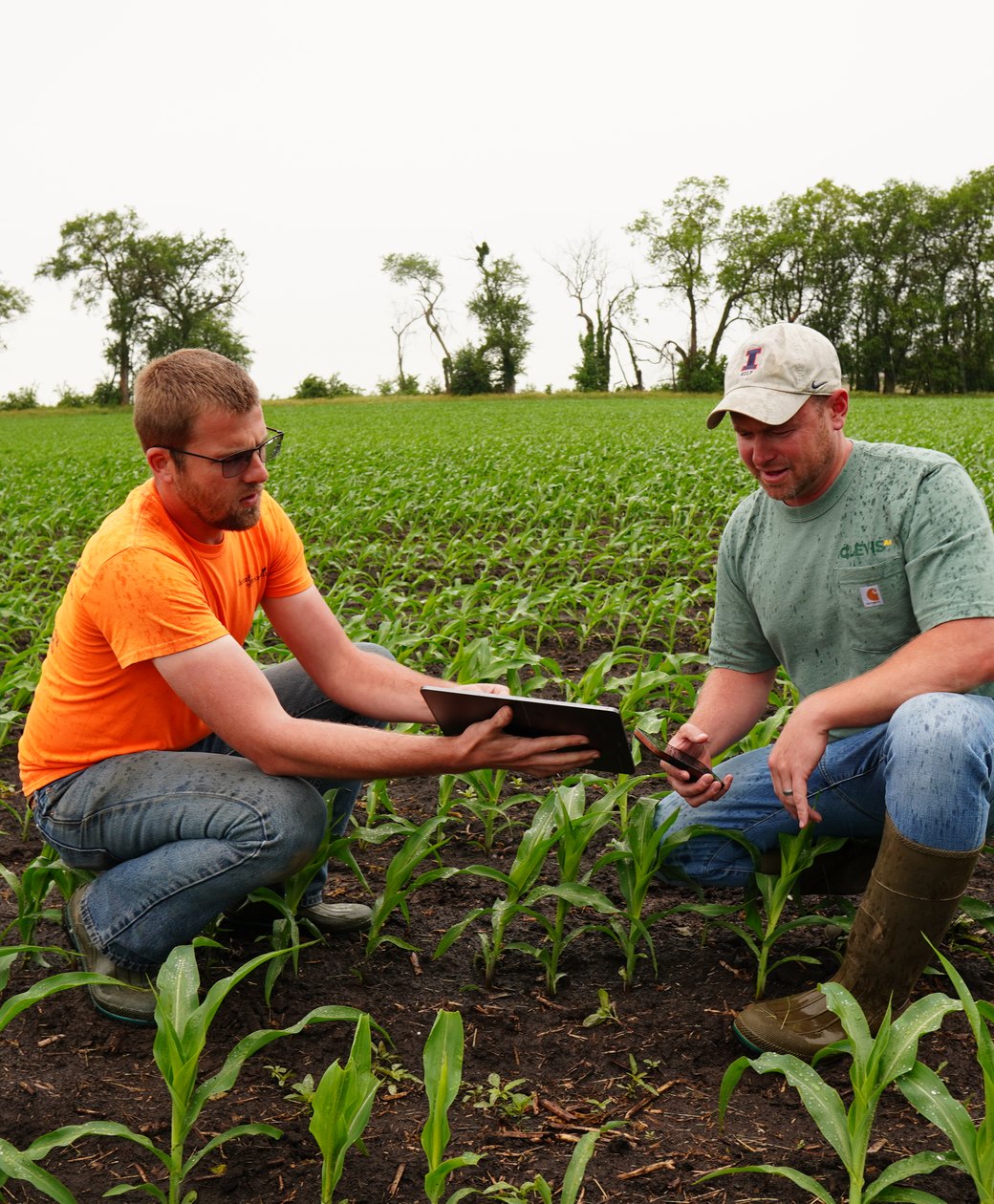
Will AI Replace Your Crop Consultant? An Honest Take
Short answer: no — and here's the part most people miss. Your agronomist is probably already using AI. So the real question isn't human vs. machine; it's what an AI grounded in your whole operation adds to the expertise you already trust.
5 min read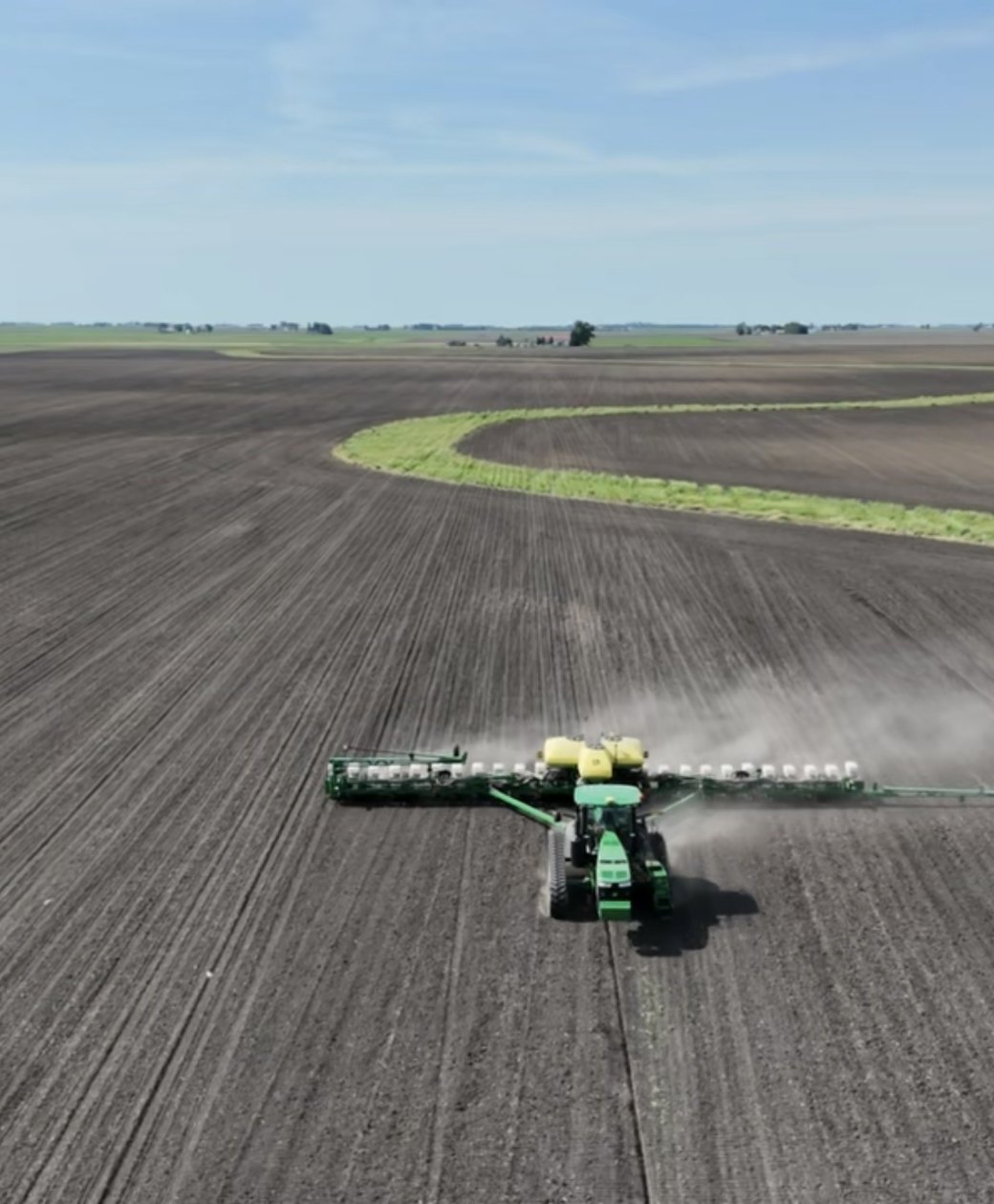
In-Season Corn Decisions: The Calls That Make or Break the Crop
Corn makes its yield in a handful of narrow windows between emergence and grain fill — and most of those decisions get made in the truck, between everything else. Here's the in-season decision sequence that actually moves yield, and how an AI advisor grounded in your fields helps you catch each window on time.
8 min read
Accounting
Skeptics
Glossary
APH (Actual Production History), Explained
Your APH is the multi-year yield average that crop insurance uses to set your guarantee. It's one of the most valuable numbers on your farm — and one of the easiest to accidentally damage with sloppy records.
1 min readARC vs. PLC, Explained
ARC and PLC are the two USDA farm-program safety nets you elect at FSA. One pays on revenue shortfalls, the other on low prices. Here's the difference in plain language, and how to think about the choice.
2 min readBasis Contracts, Explained
A basis contract locks your local basis while leaving the futures side open. It's the tool for 'basis is strong, board is weak' — here's how it works and when it earns its keep.
1 min readThe Soybean Crush Margin, Explained
The crush margin is what a processor earns turning soybeans into meal and oil. When crush is fat, processors bid hard for beans — which shows up in your basis. Here's the board crush and why growers should watch it.
1 min readDelayed Pricing (DP), Explained
Delayed pricing lets you deliver grain now and set the price later — you hand over the bushels and keep the pricing decision. Here's how DP works, what it costs, and the one risk farmers underestimate.
2 min readForward Cash Contracts, Explained
A forward contract locks a cash price today for grain you'll deliver later — futures and basis fixed in one handshake. Here's what you're actually locking, and the delivery risk to respect.
1 min readFutures Spreads: Carry and Inversion, Explained
A futures spread is the price difference between two contract months of the same crop. Carry pays you to store; inversion pays you to move grain now. Reading the spread is how you let the market tell you what to do.
1 min readGrain Shrink and Drying Charges, Explained
Wet corn loses bushels two ways: the water that leaves, and the shrink factor the buyer applies. Here's the math behind moisture shrink and drying charges, and how to compare selling wet vs. drying yourself.
1 min readGrowing Degree Units (GDUs), Explained
Corn develops on heat, not calendar days. GDUs are how you count that heat — here's the 86/50 formula, how hybrids are rated, and why soybeans don't play by the same rules.
2 min readNDVI, Explained
NDVI is the satellite vegetation index behind most 'crop health' maps — a canopy-greenness score from red and near-infrared light. Here's what it actually measures, what it's good for, and where it fools people.
1 min readPrevented Planting (Prevent Plant), Explained
Prevent plant is the crop-insurance provision that pays when weather keeps you from planting at all. Here's how final planting dates, the late-planting period, and the PP payment actually work.
2 min readRevenue Protection (RP) Crop Insurance, Explained
RP is the policy most row-crop acres carry: it guarantees revenue, not just yield, and the guarantee can rise with the market. Here's how the projected and harvest prices work — and why RP is a marketing tool, not just insurance.
2 min readTest Weight, Explained
Test weight measures grain density — pounds per measured bushel — and it's a quality gate, not a yield number. Here's what moves it, when discounts start, and what it does and doesn't mean.
1 min readGrain Basis, Explained
Basis is the difference between your local cash price and the futures board — the local half of every grain-marketing decision. Here's what it means and why it moves.
1 min readCost of Carry (Storing vs. Selling Grain), Explained
Carry is what it costs you to store grain instead of selling it — and what the market will pay you to wait. Here's how to weigh store-versus-sell.
1 min readHedge-to-Arrive (HTA) Contracts, Explained
An HTA lets you lock in the futures price now and set the basis later. Here's how it works, and the trade-off you're accepting when you use one.
1 min read